

aktuality_do_mailuarrow-backarrow-bottomauthorbasketbezbarierove_mestoblockquotebtn-arrow-backbtn-arrowcalendarcheckcheckedclosedigitalni_evidencedopravni_znaceniemailfacebookfaqfb-circlefooter-imghousehrbitovinfointuitivni_ovladanikatastralni_datalarge-arrow-bottomlinklinkedin-sidebarlinkedinlist-arrowlockloginmapamistni_komunikacemobiliar_obcemobilni_aplikacemodul_DTMmunicipalitynastaveni_roli_a_spolupracenavrhy_na_vkladnewsletterochrana_obyvatelodeslaniphonepozemkove_upravypresnostprojektantiregcountsearchservice1service2service3service4silne_zabezpeceni_a_dostupnostsmlouvy_na_klikspoluprace_nad_dokumentacispravcistavebnicisubjektysupporttechnicka_infrastrukturati-shopping-bagti-shopping-carttriangle-bottomtrideny_odpadtwitterutilityuzemni_planverejne_osvetleniwebova_aplikaceworkerxingyoutubezadatelzelenzivotni_cyklus_stavbyzivotni_situacezrychleni_vystavby

Building Life Cycle

Pre-investment

Before construction begins, you need to obtain a statement regarding the location of utility lines. And if you are purchasing land, you also need to resolve property rights issues involving a large number of properties.

Investment

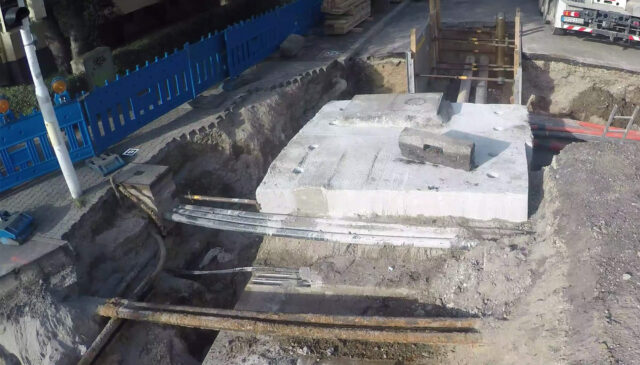
During construction, it’s a good idea to use 3D documentation to make it easier to monitor and inspect the site. Plus, you can use a digital construction log to keep track of what’s needed for the project.

Operational

In the operational phase, it is a good idea to create as-built documentation. An inventory of assets can also be useful, and it is advisable to keep the operational documentation up to date.
Other MAWIS products