

The BIM Act: A New Framework for the Digitalization of Construction
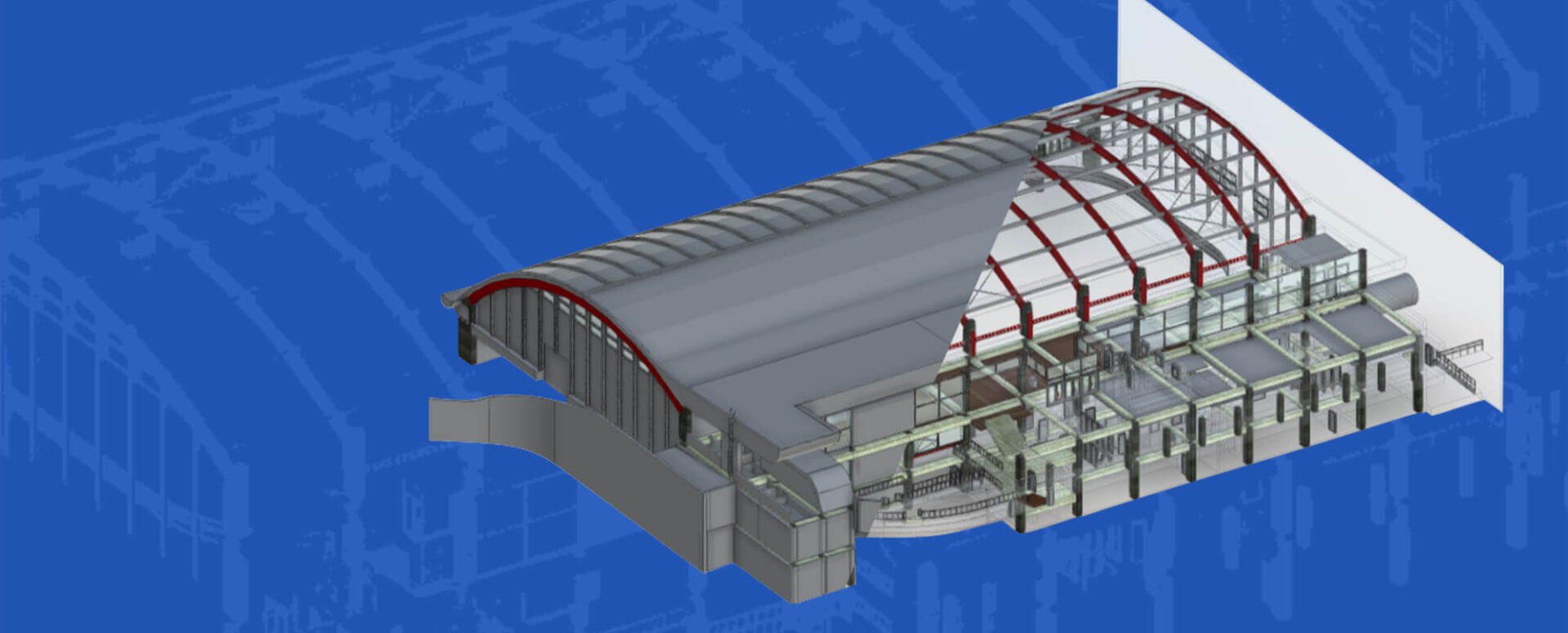
The law establishes an obligation to create and manage a building information model (BIM).
The legislation, often referred to as the “BIM Act,” represents a major step toward the digitization of the Czech construction industry and public administration in the field of construction. It is set to take effect on January 1, 2027, which provides ample time for the affected entities to prepare.
The Purpose and Intent of the Law
The main objective of the law is to establish a unified legal framework for the effective management of information throughout the entire life cycle of a building—from design and construction through operation to completion or, if applicable, demolition.
The law requires certain entities (primarily public institutions and organizations that manage public funds) to use Building Information Modeling (BIM) in the planning and construction of certain projects.
BIM is expected to bring greater transparency, cost-effectiveness, and efficiency to the processes of construction, operation, and maintenance of buildings. The new legislation is intended to ensure that building data can be used within a unified information model—thereby assisting not only builders but also those involved in land-use planning, crisis management, and infrastructure management.
Who is covered by the law
The requirement to use BIM will apply to public construction contracts above a certain threshold. It will therefore primarily affect:
- state-funded organizations and state-owned enterprises
- regional institutions and organizations funded by the region
Benefits and Challenges
The implementation of BIM methodology has the potential to deliver a wide range of benefits:
- reducing errors and conflicts during the preparation of project documentation,
- easy coordination of construction work,
- more effective management of the building throughout its entire lifecycle.
Need advice on BIM?
Our company has extensive experience in creating BIM models for both new construction and the current state of buildings. Our team of experts has been working in the field of BIM for many years and can prepare models that precisely meet the client’s requirements and needs. Our BIM models thus provide clear, accurate, and long-term usable data for building management, maintenance, and future investments.
When working on projects, we rely, for example, on the ČAS Agency’s data standard, which ensures that our models are fully compatible with the current requirements of the digital construction industry in the Czech Republic.
If you need advice on BIM or are looking for a reliable partner to create a BIM model, please don’t hesitate to contact us.
You can find more information about creating projects in BIM here: www.bim3d.cz
Summary
Title: Act No. 330/2025 Coll. on the Management of Information on Construction and the Built Environment and on Amendments to Certain Other Acts – hereinafter referred to as the “BIM Act” (Senate Document No. 164)
Submitted by: Ministry of Industry and Trade of the Czech Republic
Date of Senate approval: July 23, 2025
Effective date: January 1, 2027 (some provisions may take effect on different dates)
MawisUtility – 17 Years of Digital Support for Construction Management
For more than 17 years, a digital tool has been available that makes it significantly easier for builders and designers to submit requests for information regarding the location of utility lines.
Handover without complications—we’ll handle the data entry into the Czech Republic’s Digital Terrain Model (DTM) for you
Are you finalizing the building inspection? We'll take care of entering the data into the DTM ČR and issuing the PGAD and EDTI identifiers for you.
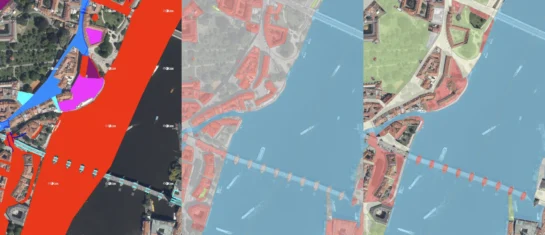
New KN Thematic Maps – Easements, Land Categories, and Land Use
Three new thematic map layers from the Cadastral Register (KN) are now available on the Geoportal: easements, land categories, and land use.